Spis tresci
If you've spent time browsing Nordic footwear forums or shopping sites, you've likely come across the word "barfota." It's the Swedish term for barefoot, and in Scandinavia it has become the standard way to describe a specific category of minimalist, foot-shaped footwear. This guide explains what barfota actually means, how barfota shoes differ from conventional shoes, and what to look for when choosing a pair.
 Zero Drop Mens Sneaker | Black Full-Grain Leather, Wide Toe Box, Artisan Made
View product
Zero Drop Mens Sneaker | Black Full-Grain Leather, Wide Toe Box, Artisan Made
View product
What Does "Barfota" Mean?
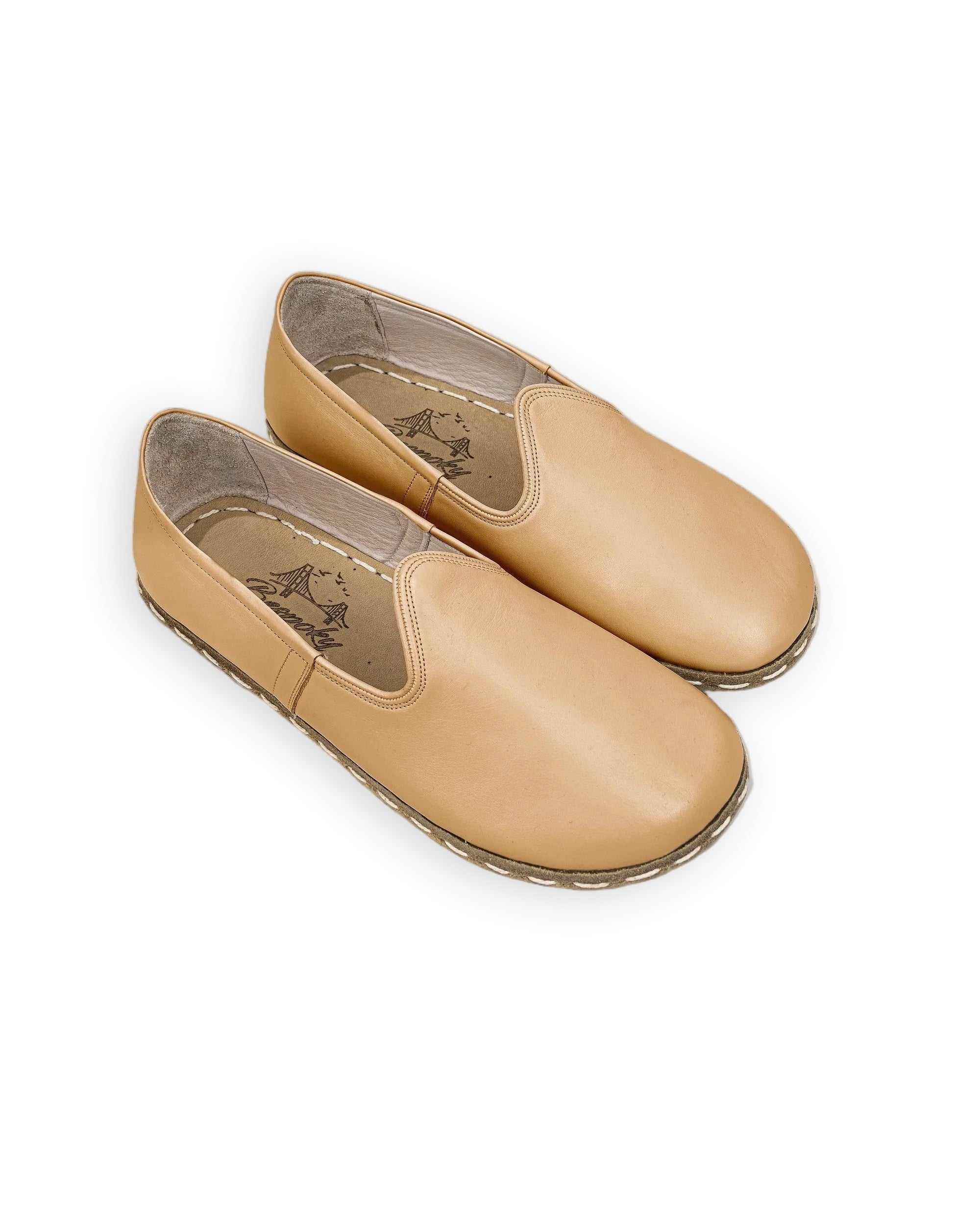
"Barfota" is simply the Swedish word for "barefoot." In footwear contexts, it refers to shoes designed to let the foot function as close as possible to how it would unshod — a thin, flexible sole; a wide toe box that lets toes sit in their natural spread; and no raised heel, meaning the heel and forefoot sit at the same level (commonly called "zero drop"). The term is used interchangeably with "barfotasko" (barefoot shoe) across Swedish, Norwegian, and Danish retail sites and forums.
While the barefoot shoe category exists globally, the Nordic market has its own distinct vocabulary, sizing conventions, and style expectations — which is why searching in English for "barefoot shoes" and searching in Swedish for "barfota" or "barfotaskor" can surface quite different results.
 Zero Drop Mens Sneaker | Black Full-Grain Leather, Wide Toe Box, Artisan Made
View product
Zero Drop Mens Sneaker | Black Full-Grain Leather, Wide Toe Box, Artisan Made
View product
The Three Core Elements of a Barfota Shoe
Regardless of brand or style, barfota shoes share three structural characteristics:
1. A Wide, Foot-Shaped Toe Box
Conventional shoes are often built on a tapered last that narrows toward the toe. A barfota shoe uses a last shaped like an actual foot — wider at the toes than at the heel — so the toes are not compressed or forced into an unnatural angle.
2. A Thin, Flexible Sole
Barfota soles are built to bend easily in the hand and underfoot, in contrast to the stiffer, more cushioned soles used in conventional footwear. This allows more direct ground feel and lets the foot's own muscles and joints move through their full range during each step.
3. Zero Drop
"Drop" refers to the height difference between the heel and the forefoot in a shoe's construction. In a barfota shoe, that difference is zero — the heel sits at the same height as the ball of the foot, mirroring the position of a bare foot standing on flat ground.
 Zero Drop Mens Sneaker | Black Full-Grain Leather, Wide Toe Box, Artisan Made
View product
Zero Drop Mens Sneaker | Black Full-Grain Leather, Wide Toe Box, Artisan Made
View product
Barfota Styles for Different Seasons and Uses
The barfota category has expanded well beyond simple sandals. Common formats include:
- Barfota boots — ankle or calf-height boots built on the same wide,
zero-drop last, suited to colder Nordic weather.
- Barfota sneakers — casual, everyday shoes for walking and light
activity that keep the flexible, foot-shaped construction.
- Barfota slippers — indoor footwear, popular in Nordic homes where
shoes typically come off at the door, built with the same wide-toe, flat profile.
- Barfota oxfords and formal styles — dress-appropriate options that
apply the same last and sole philosophy to more traditional silhouettes.

Sizing Barfota Shoes
Because barfota shoes are cut wider through the toe than conventional footwear, sizing can differ from what you're used to in a standard shoe brand. A few practical tips:
- Measure your foot length and width while standing, at the end of the day
when feet are at their largest.
- Leave roughly a thumb's width of space between your longest toe and the
end of the shoe — barfota shoes are meant to accommodate natural toe splay, not to fit snugly.
- Check the brand's specific size chart rather than assuming your usual
shoe size will translate directly, since barfota lasts vary more between brands than conventional shoe lasts do.
Materials Commonly Used in Barfota Footwear
Nordic barfota shoes are frequently made with:
- Full-grain or vegetable-tanned leather for uppers, valued for
durability and breathability.
- Wool or shearling linings in boot and slipper styles, suited to
Scandinavian winters.
- Natural rubber or thin TPU outsoles, chosen for flexibility and grip
on wet or icy surfaces.
Choosing Your First Pair of Barfota Shoes
If you're new to the barfota category, start with a style close to your existing daily footwear — a sneaker or oxford rather than a slipper or sandal — so the main adjustment is the wider toe box and flatter profile rather than an entirely new use case. Pay attention to width sizing in particular, since that's the dimension most different from conventional shoes.
Whether you call it barefoot, barfota, or barfotasko, the underlying idea is the same: footwear built around the natural shape and mechanics of the foot rather than around a fixed, tapered mold.
Browse our full range of barfota-style footwear in the Barefoot Shoes collection.
Common Questions About Barfota Shoes
What does "zero drop" mean in a barfota shoe?
Zero drop means the heel and the forefoot sit at the same height from the ground, with no wedge built into the sole. A conventional shoe usually raises the heel several millimeters above the forefoot; a barfota shoe keeps the sole level from heel to toe.
How wide is the toe box on a barfota shoe?
The toe box on a barfota shoe holds its width toward the front rather than narrowing to a point. This shape lets the toes sit in their natural spread rather than folded together, which is a design choice built into the pattern rather than a fit accident.
What size should I order in a barfota shoe?
Measure your foot from heel to longest toe in centimeters while standing on a piece of paper, then match that measurement to the size chart listed on the product page rather than relying on your usual shoe size in another brand. Because the barfota shape is thinner and more flexible than a cushioned shoe, sizing between two brands can vary more than shoppers expect.
What are barfota shoes made from?
Most barfota styles use a leather or textile upper over a thin, flexible sole. The exact material list is listed on each product page, since it can vary from one style to the next, and it is worth checking before you order if a specific material matters to you.