
Contents
Short answer: the best evidence we have does not show that barefoot-style shoes reduce hip pain. A 2026 trial in hip osteoarthritis found no difference in walking pain between flat flexible and supportive shoes; flat flexible shoes scored better on some symptom scales but had more side effects (Paterson 2026). If you want to try them, talk to your doctor or physiotherapist and switch slowly.
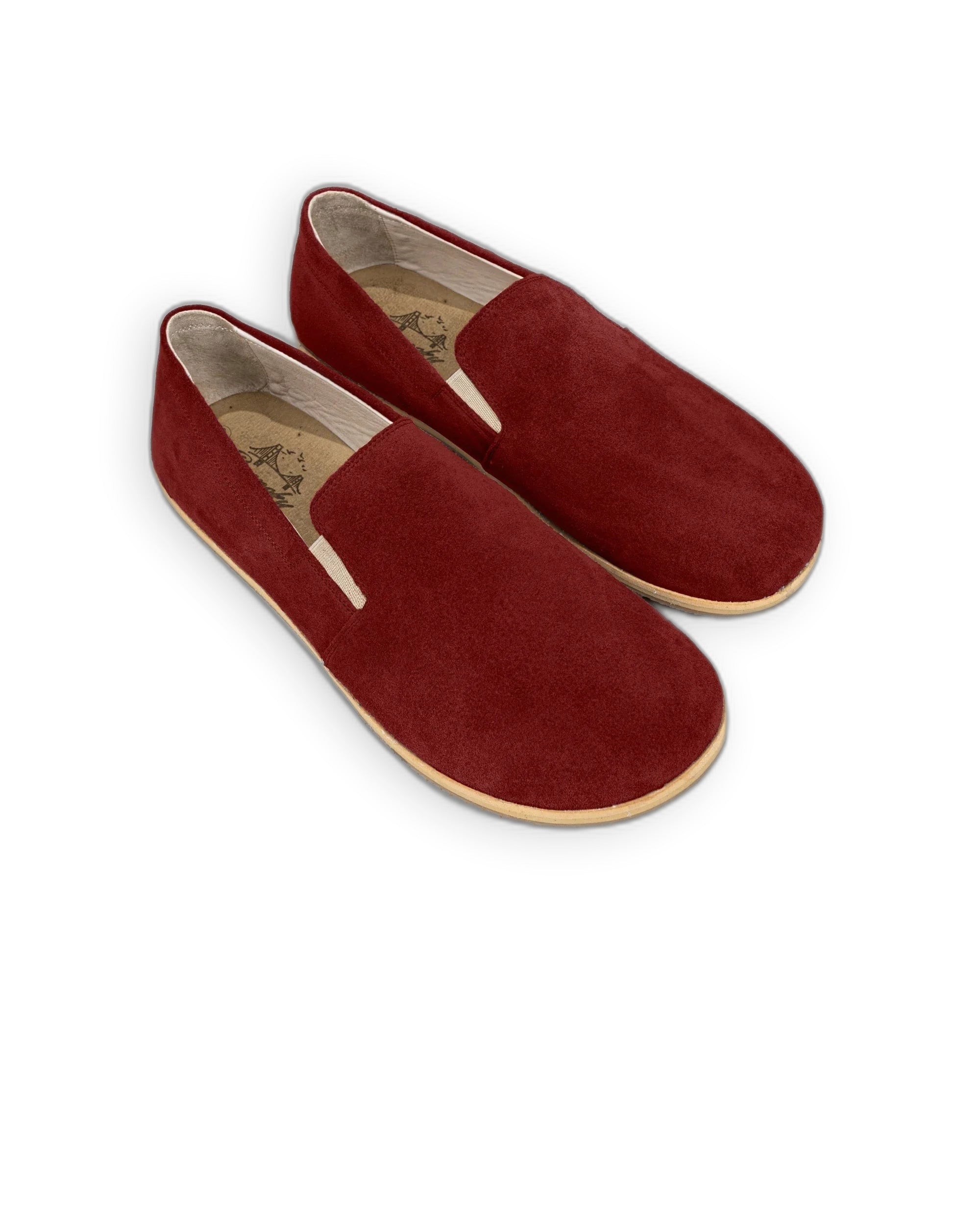
 Mens Zero Drop Barefoot Shoes, Black Full-Grain Leather, Roomy Toe Box Fit, Handmade
View product
Mens Zero Drop Barefoot Shoes, Black Full-Grain Leather, Roomy Toe Box Fit, Handmade
View product
Can shoes affect your hips?
Feet, knees and hips work together when you walk, so it is reasonable to ask whether shoes play a part in hip discomfort. Conventional shoes usually have a raised heel, a stiff sole and a tapered toe. Whether changing those features changes hip pain is far less clear than the online advice suggests, and hip pain has many causes unrelated to footwear.
 Mens Zero Drop Barefoot Shoes, Black Full-Grain Leather, Roomy Toe Box Fit, Handmade
View product
Mens Zero Drop Barefoot Shoes, Black Full-Grain Leather, Roomy Toe Box Fit, Handmade
View product
What does the research say?
The clearest study is a 2026 randomized trial of 120 people with hip osteoarthritis. Half wore stable supportive shoes and half wore flat flexible shoes for six months. There was no difference in walking hip pain between the groups. The flat flexible group did better on some symptom and quality-of-life scales, but also had more adverse events: 31% compared with 12% in the supportive-shoe group (Paterson 2026).
In short: some people may like flat, flexible shoes, but they did not reduce walking pain in that trial and they came with more side effects. That is worth knowing before you switch.
 Mens Zero Drop Barefoot Shoes, Black Full-Grain Leather, Roomy Toe Box Fit, Handmade
View product
Mens Zero Drop Barefoot Shoes, Black Full-Grain Leather, Roomy Toe Box Fit, Handmade
View product
How barefoot-style shoes are designed
- Zero drop: a zero drop shoe has no height difference between heel and forefoot.
- A wide toe box: a wide toe box gives your toes room to spread instead of squeezing them together.
- A thin, flexible sole that bends with your foot and lets you feel the ground.
Our complete guide to barefoot leather shoes explains these features in more detail.
Why a gradual transition matters
Moving straight from cushioned, heeled shoes to flat, thin ones can bring new aches while your body adjusts. Runners who switched to minimalist shoes over ten weeks showed more signs of bone stress in the foot than those who stayed in their usual shoes (Ridge 2013). A sensible plan:
- Start small: 30–60 minutes a day around the house or on short errands.
- Increase slowly: add 30–60 minutes every few days if you feel fine; cut back if pain appears.
- Keep your usual shoes for longer walks while you build up.
- Move to longer wear only when everyday activities feel comfortable. This can take weeks or months.
Our transition guide has a fuller plan.
Choosing a barefoot-style shoe
- A level, zero drop sole.
- A wide, foot-shaped toe box.
- A thin, flexible sole you can easily bend.
- A secure fit around the midfoot and heel. Our fit guide shows how to measure.
Bespoky has made shoes since 2018 in our own workshops in Gaziantep and Istanbul, drawing on a four-generation shoemaking family. Each pair of our barefoot shoes is made to order by one artisan in about 10–14 hours, from genuine, vegetable-tanned (chrome-free) leather.
When to see a professional
This article is general information, not medical advice. See a doctor or physiotherapist if hip pain is severe or persistent, wakes you at night, makes it hard to put weight on your leg, comes with locking or catching, follows a fall, or if you have hip osteoarthritis or a hip replacement. Seek urgent care after a fall if you cannot bear weight. They can tell you whether a change of footwear makes sense for you.
FAQ
Can barefoot shoes cause hip pain?
Switching suddenly can bring new aches in the feet, legs or hips while your body adapts. A slow, gradual build-up lowers that risk.
Are zero drop shoes good for your hips?
They are a different, not a proven better, option. Some people find them comfortable after adapting; others prefer more support.
Are barefoot shoes good for hip osteoarthritis?
Talk to your doctor or physiotherapist first. In a 2026 trial, flat flexible shoes did not reduce walking pain compared with supportive shoes and had more side effects, although they scored better on some other measures (Paterson 2026).
Sources
- Paterson KL et al. Stable supportive footwear for self-managing hip osteoarthritis pain: randomized clinical trial. Ann Intern Med. 2026;179(4):469-477. PubMed 41730219
- Ridge ST et al. Foot bone marrow edema after a 10-wk transition to minimalist running shoes. Med Sci Sports Exerc. 2013. PubMed 23439417
Written by Mesut Bozkurt · Updated 2 October 2026